
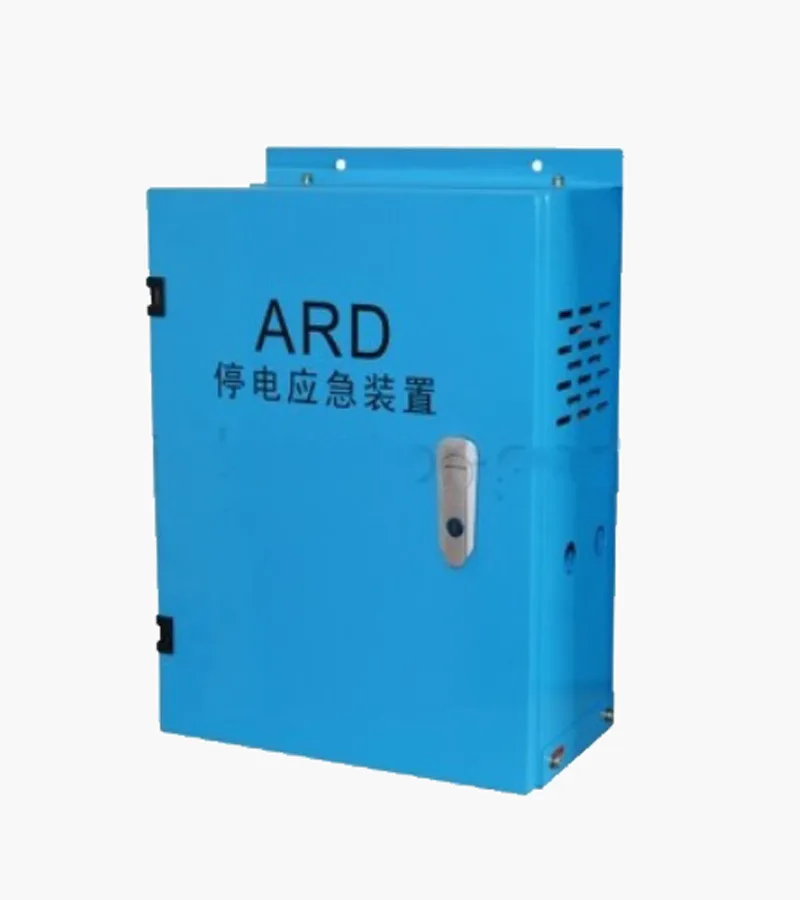
Description
Automatic Rescue Device: Essential Safety
Elevators are an indispensable part of modern infrastructure, transporting millions of people daily in commercial buildings, residential complexes, and public spaces. While generally safe and incredibly efficient, the persistent thought of being trapped in a malfunctioning elevator for an extended period is a common concern that can incite panic and distress. This is precisely where an Automatic Rescue Device (ARD) steps in as a silent guardian, a crucial safety component designed to mitigate such anxieties and ensure passenger safety during unforeseen power outages or operational failures. Understanding the vital role of an Automatic Rescue Device is paramount for anyone involved in building management, elevator maintenance, or simply a regular elevator user who values peace of mind. This article will delve deep into what an ARD is, how it functions with remarkable precision, and why it’s universally considered an essential safety feature in contemporary elevator systems.
What Exactly is an Automatic Rescue Device?
An Automatic Rescue Device is a sophisticated electronic system specifically engineered for elevators. Its primary function is to provide an uninterrupted power supply to the elevator’s core control panel in the event of a main power failure, a significant voltage fluctuation, or even issues within the elevator’s internal power supply line. However, an ARD is far more than just a simplistic backup power source; it is an intelligent unit that initiates a carefully controlled and safe rescue operation. When the main power is lost, the ARD automatically detects this critical disruption and seamlessly switches the elevator to its battery-operated auxiliary power. This intelligent switchover allows the elevator to then move at a reduced, safe speed to the nearest available floor, open its doors, and safely discharge passengers, thereby preventing prolonged and potentially distressing entrapment.
The Critical Role of the Automatic Rescue Device in Elevator Safety
The significance of an Automatic Rescue Device in modern vertical transportation systems simply cannot be overstated. Without its intervention, passengers trapped during a power cut could remain stranded for hours, leading to severe anxiety, fear, and potential health risks, especially for those with medical conditions or claustrophobia. The ARD effectively transforms a potentially terrifying and distressing situation into a minor, brief inconvenience.
Prevents Entrapment: This is its most obvious and primary benefit, directly addressing the deeply ingrained common fear of being stuck in an elevator.
Ensures Passenger Comfort and Safety: By initiating a swift and methodical rescue, the ARD minimizes the time passengers spend in a dark, confined, and potentially claustrophobic environment.
Reduces Panic and Stress: The knowledge that an Automatic Rescue Device is in place provides invaluable peace of mind for both building occupants and the building management team.
Minimizes Damage to Elevator Components: Uncontrolled stops or sudden power losses can inflict considerable strain on delicate and often expensive elevator machinery. The controlled descent facilitated by an ARD helps protect these vital and costly components from unnecessary wear and tear.
Operational Continuity: For building managers and operators, the ARD means significantly less downtime for elevators after a power failure. The system can often resume normal operation much faster once main power is restored, as there’s no need for manual intervention to rescue passengers first.
How an Automatic Rescue Device Works: A Technical Overview
The operation of an Automatic Rescue Device is a marvel of applied engineering, combining instantaneous failure detection with precise, methodical execution.
1. Continuous Power Monitoring: The ARD’s core function begins with its continuous monitoring of the main power supply directed to the elevator controller. It acts as a vigilant sentinel.
2. Immediate Failure Detection: Should the main power falter, experience a brownout, or completely fail, the ARD instantly detects this critical anomaly.
3. Automatic Switchover: Without any human intervention, the ARD promptly and seamlessly switches the elevator’s power source from the compromised main grid to its robust, internal battery bank.
4. Controlled Movement to Nearest Floor: Utilizing the auxiliary battery power, the ARD system rapidly calculates the elevator’s current position within the hoistway and intelligently determines the nearest landing. It then safely drives the elevator car to that floor at a deliberately slow, controlled speed. This precise calculation often involves sophisticated encoder or position sensor feedback to ensure pinpoint accuracy.
5. Door Opening and System Standby: Once the elevator has gently reached the designated floor, the ARD commands the car doors to open, allowing passengers to exit safely and without rush. After all passengers have disembarked, the ARD typically cuts power to the main elevator functions, conserving crucial battery life and preventing any unintended movement until the primary power is restored and the system is manually or automatically reset.
6. Battery Recharging: When the main power ultimately returns to normal, the ARD automatically initiates the process of recharging its batteries, ensuring that it is fully primed and ready for the next unforeseen event.
Advanced Features of Modern Automatic Rescue Devices
Modern Automatic Rescue Device units come equipped with a host of advanced features that significantly enhance their reliability, functionality, and overall intelligence:
Microprocessor Control: Contemporary ARDs incorporate advanced microprocessors, allowing for smarter decision-making protocols, remarkably faster response times, and more precise, finely tuned control over the entire rescue operation.
Comprehensive Status Indicators: Equipped with clear LED indicators or intuitive LCD displays, these units provide crucial real-time information about the ARD’s operational status, current battery charge level, and any detected fault conditions, greatly assisting maintenance personnel in quick diagnostics.
Proactive Self-Testing Capabilities: Many advanced ARDs are programmed to perform periodic self-tests, verifying that all internal components are functioning correctly. This proactive measure alerts technicians to potential issues before an actual emergency occurs, allowing for preventative maintenance.
Broad Compatibility: Modern ARDs are meticulously designed to integrate seamlessly and efficiently with a wide array of elevator control systems, ranging from older relay-based mechanisms to cutting-edge VVVF (Variable Voltage Variable Frequency) drives.
Enhanced Energy Efficiency: Newer models prioritize energy conservation, featuring designs optimized to minimize standby power consumption, contributing to lower operating costs and a reduced environmental footprint.
Installation and Maintenance of Your Automatic Rescue Device
The unwavering effectiveness and reliability of an Automatic Rescue Device are undeniably rooted in its proper professional installation and diligent, consistent maintenance. Installation should always be carried out exclusively by qualified and certified elevator technicians who possess a deep understanding of the intricate complexities of both the elevator system itself and the specific ARD unit being installed. Regular inspections and comprehensive maintenance, ideally as an integral part of a broader elevator maintenance contract, are absolutely crucial. This critical regimen includes meticulously checking battery health (as batteries inherently have a finite lifespan and progressively degrade over time), thoroughly verifying all electrical connections, and systematically testing the ARD’s functionality periodically to ensure its readiness. Neglecting routine maintenance can severely compromise the system’s ability to perform reliably during a real emergency, unfortunately turning a vital safety device into a false and potentially dangerous sense of security.
Conclusion
In the intricate ecosystem of modern buildings, the Automatic Rescue Device stands out not merely as a beneficial addition but as an indispensable safety feature. It transcends being merely a convenience; it serves as a fundamental, non-negotiable component that profoundly enhances the safety, security, and peace of mind for elevator passengers and building management alike. By effectively preventing prolonged entrapment during power outages and operational malfunctions, the Automatic Rescue Device ensures a swift, controlled, and above all, safe evacuation process. Investing in a high-quality, meticulously installed, and diligently maintained Automatic Rescue Device is not solely about complying with mandatory safety standards; it is fundamentally about prioritizing human safety and maintaining the operational integrity of critical elevator systems, thereby reinforcing a steadfast commitment to providing a secure and reliable environment for everyone who steps into a building’s elevators.

Reviews
There are no reviews yet.